
Medications &
Dry Mouth
Saliva is your mouth's built-in defense system — here's what happens when common medications shut it down.
 Saliva's Role in Oral Health
- 6 Medication Categories to Know
- How Xylitol Restores Flow
- Daily Habits That Help
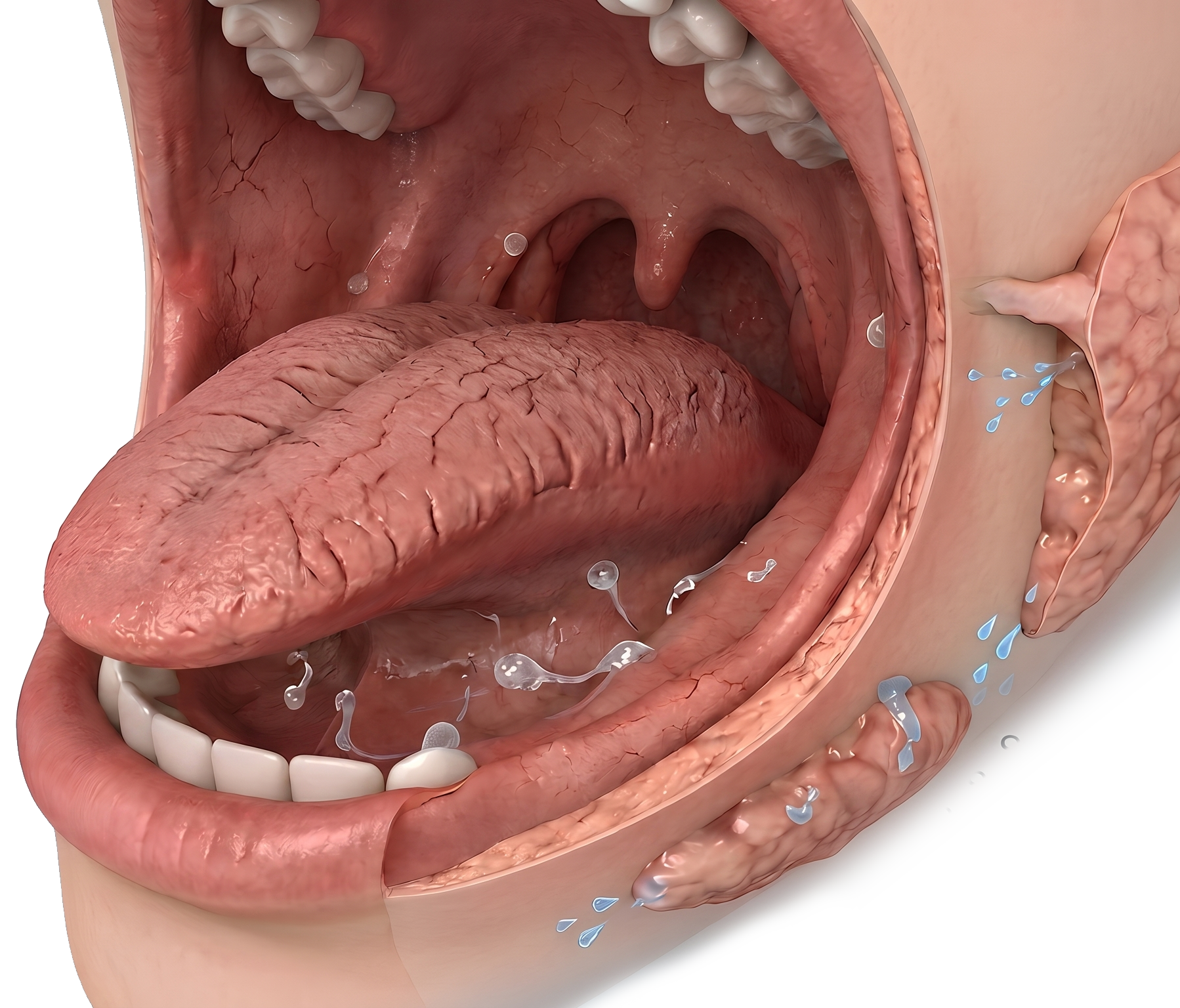
Dry mouth (xerostomia) risk climbs sharply with medication count — from 17% in patients on no medications to 67% in those taking seven or more, according to research on polypharmacy and saliva production.
Why Saliva Matters More Than You Think
Saliva isn't just moisture — it's active protection. It buffers the acids that erode enamel, carries minerals that remineralize teeth, and rinses away food particles before bacteria can feed on them.
Saliva also contains antimicrobial compounds that help keep the oral microbiome balanced. When saliva flow drops, that housekeeping stops — plaque builds faster, acid lingers longer, and the risk of cavities and gum irritation climbs.
Medication Categories That Reduce Saliva
Dry mouth shows up as a side effect across a wide range of everyday medications. These six categories are the most common culprits:
Know these categories — and check your own labels:
Antihistamines
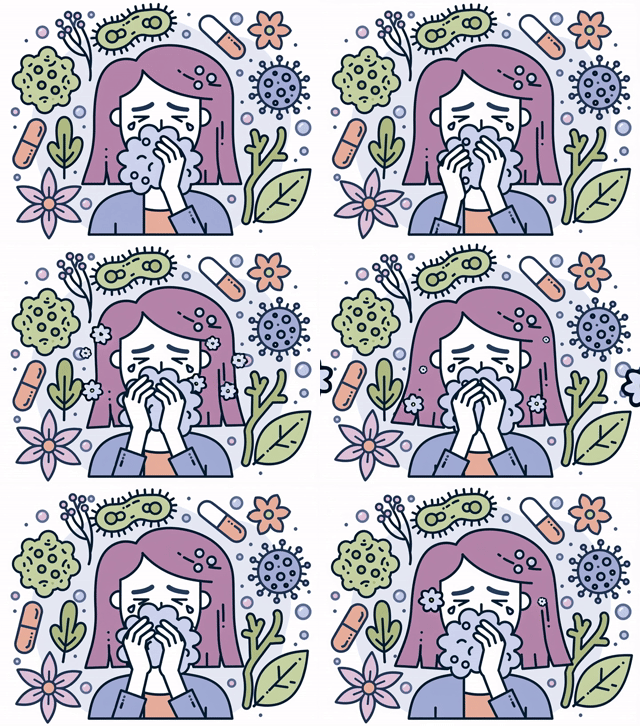
Found in allergy and cold medications, antihistamines block the signals that trigger saliva glands, leaving the mouth persistently dry.
Antidepressants & Anti-Anxiety Medications
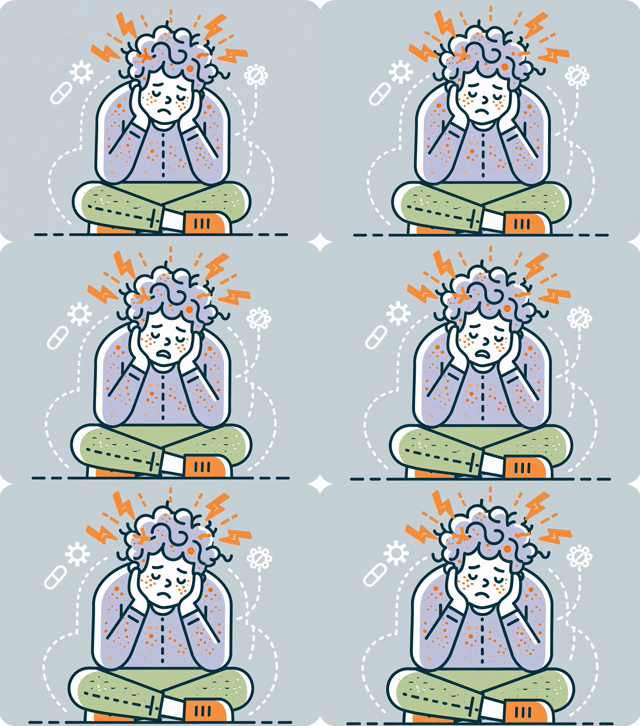
SSRIs, SNRIs, and benzodiazepines are among the most common dry-mouth culprits, affecting millions of daily users.
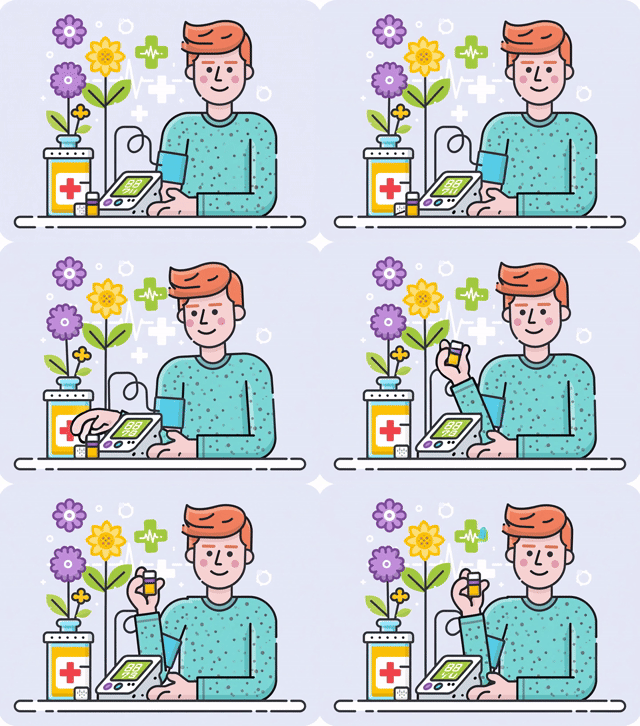
Blood Pressure Medications
Many beta-blockers and ACE inhibitors used to manage blood pressure carry dry mouth as a common side effect.
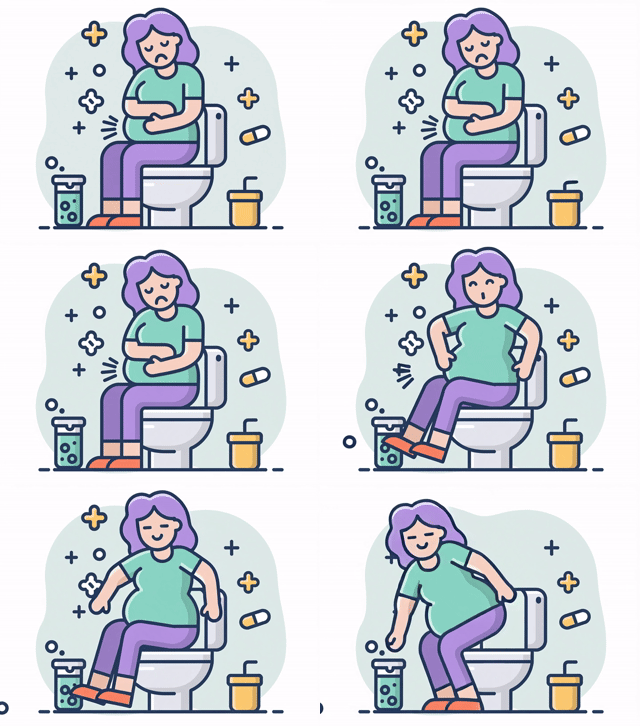
Diuretics
Diuretics increase fluid loss throughout the body — saliva included — which can leave the mouth noticeably drier as the body flushes excess water.
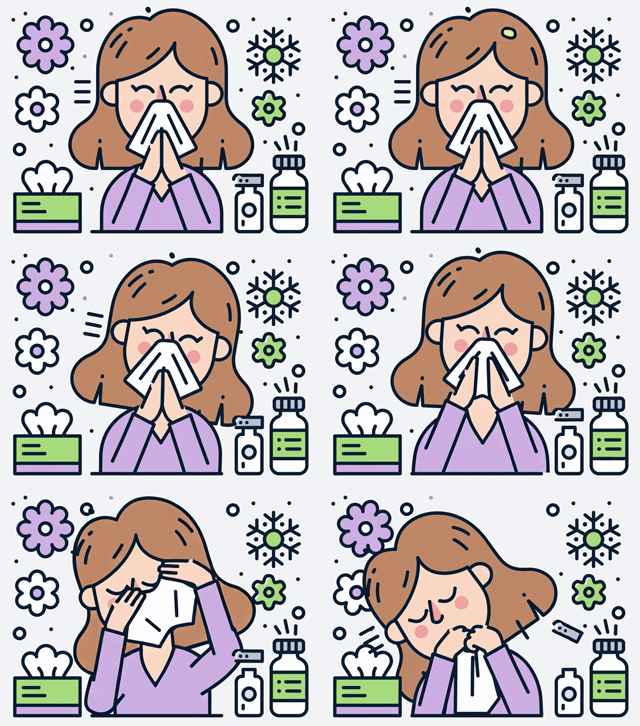
Decongestants
Formulated to dry up nasal passages, decongestants often dry out the mouth right along with them.
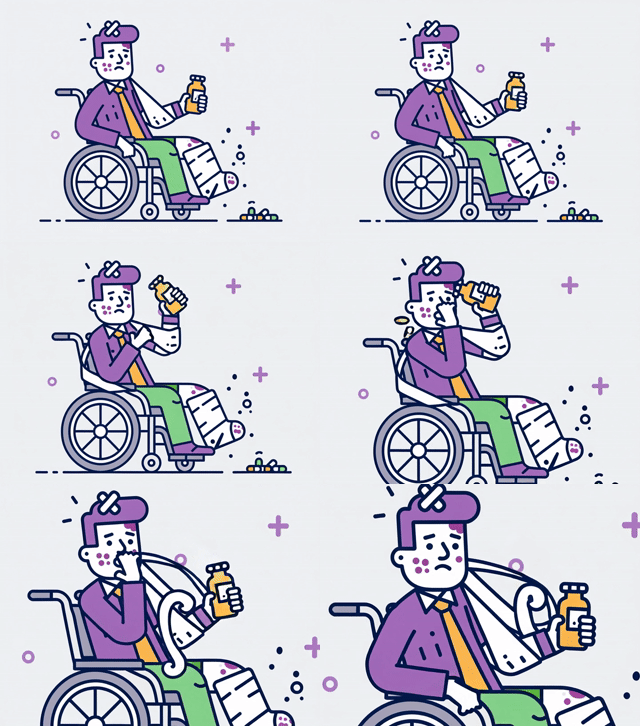
Opioid Pain Relievers
Prescription opioids are well documented for reducing saliva flow, often alongside other side effects like drowsiness — making consistent hydration and oral care especially important during recovery.
How Xylitol Helps Bring Saliva Back
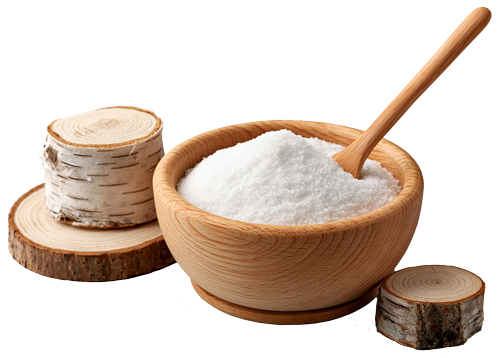
Xylitol is a natural sugar alcohol that does double duty for oral health. Chewing or dissolving it stimulates saliva flow — and because bacteria can't ferment xylitol the way they ferment sugar, it starves the acid-producing bacteria that cause decay.
The result: more saliva doing its job, and less fuel for the bacteria that thrive when the mouth is dry.
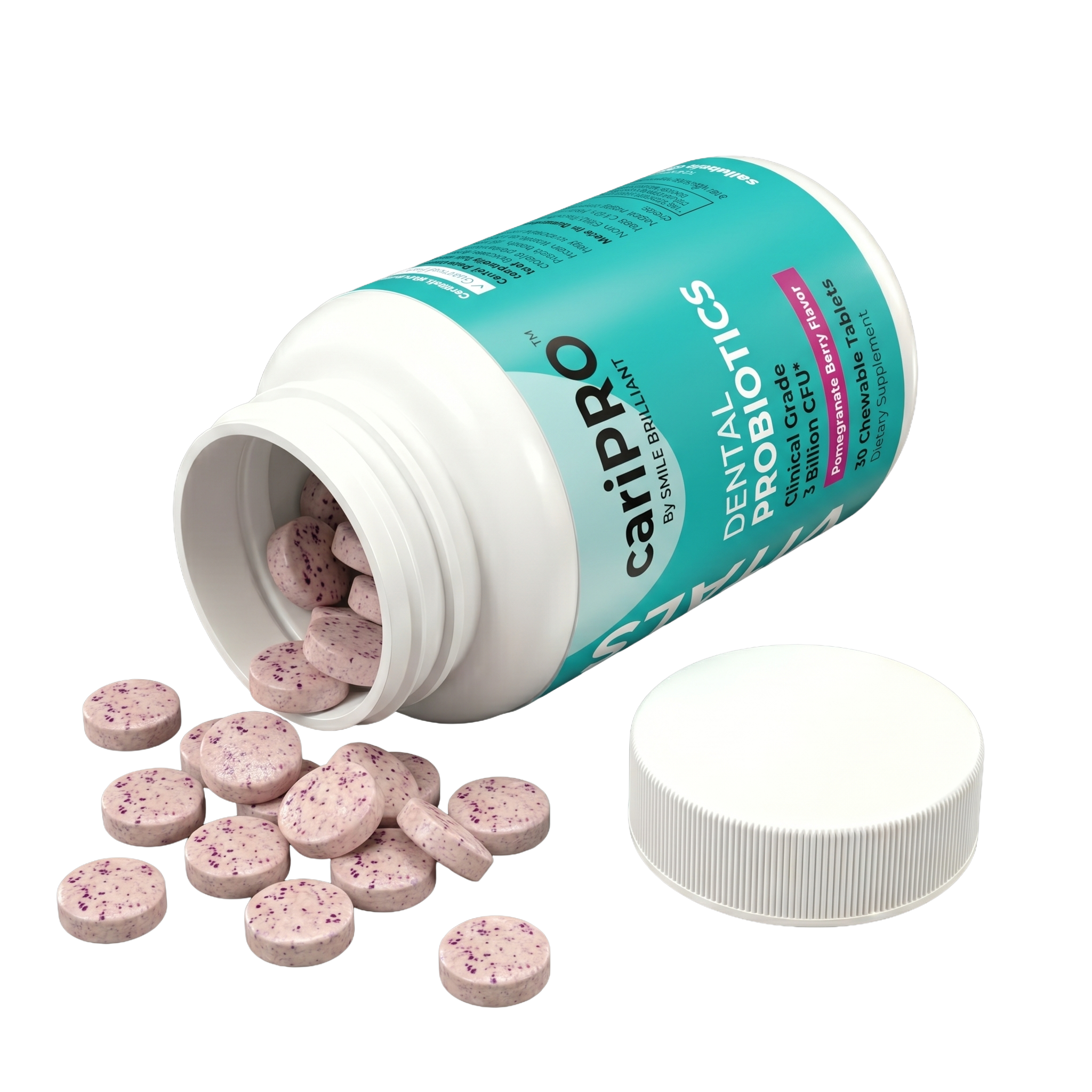
cariPRO™ Dental Probiotics
Formulated with xylitol and targeted probiotic strains, cariPRO Dental Probiotics help repopulate the mouth with good bacteria — the same bacteria a dry mouth struggles to support on its own. For anyone managing medication-related dry mouth, working a daily probiotic into the routine is one of the simplest ways to support a healthier oral microbiome.
Shop Dental Probiotics
Managing Dry Mouth Day to Day
The medication usually isn't optional — but the response is. A few daily habits can offset much of the risk.
Sip water throughout the day rather than waiting until your mouth feels dry. Keep water nearby during exercise, heat exposure, or long conversations — all of which speed up moisture loss.
Xylitol gum or mints between meals stimulate saliva flow and help offset the drying effect of medication, without feeding the bacteria that cause decay.
A daily probiotic helps repopulate good bacteria that a low-saliva environment makes it harder to sustain naturally.
Shop Dental ProbioticAlcohol-based mouthwash strips moisture further — an alcohol-free rinse won't compound the problem. A bedroom humidifier also helps overnight, when saliva flow is naturally at its lowest.
Final Thoughts
Dry mouth from medication isn't just uncomfortable — it removes one of your mouth's primary defenses against decay. Staying hydrated, leaning on xylitol, and supporting your oral microbiome with a daily probiotic can offset much of the risk. If dry mouth is persistent or severe, loop in your dentist or prescribing doctor — a simple adjustment may be available.