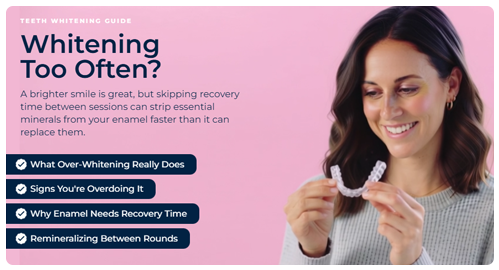

Find out what teeth whitening at the dentist is really like, expectations, costs & concerns along with realistic alternatives from a dental hygienist.
Professional teeth whitening is something that many consider to brighten their smile. It can be efficient, safe, and an effective choice for most individuals who are good candidates for the procedure [1] Prior to having professional whitening treatments a thorough discussion with your dental professional is strongly encouraged to produce the best results and the least incidences of potential side effects.
Prior to whitening:
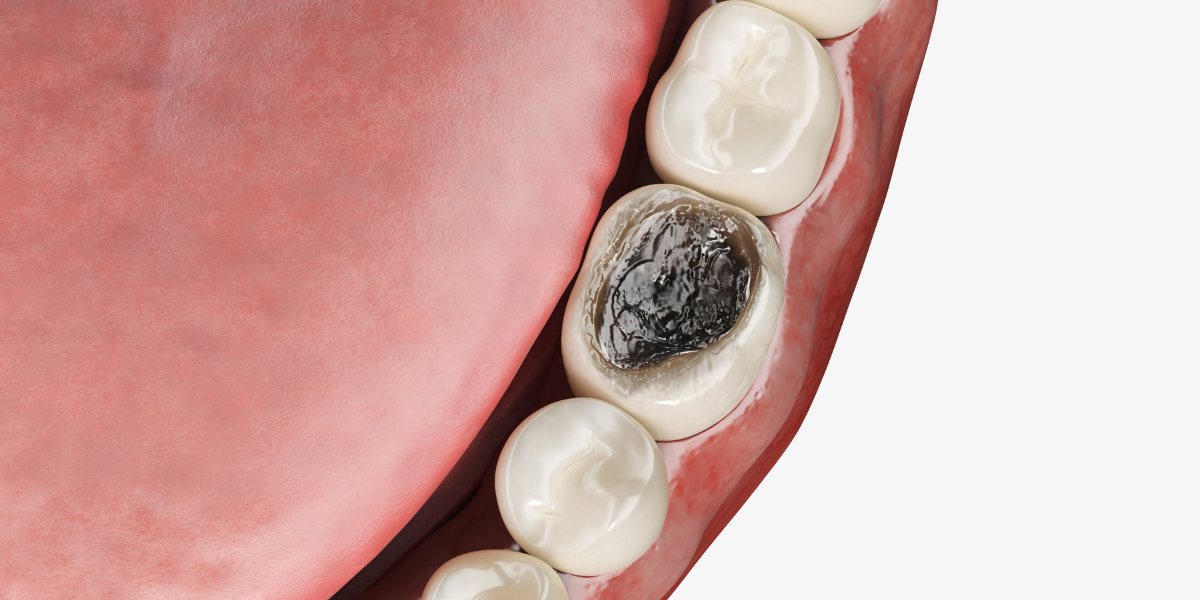
A through professional exam is necessary prior to proceeding with in-office whitening procedures.[2] Your dentist will also review any areas of your teeth that the whitening gel will not penetrate: such as areas that have porcelain or bonded restorations, areas exposed to tetracycline antibiotics during tooth formation, or areas that is dark due to trauma.[2]Although almost everyone wants a bright white smile, what’s important is to make sure your mouth is healthy first.Whitening when cavities, exposed roots, or if there is active gum inflammation could lead to discomfort and increased risks of tooth sensitivity. Whitening substances can not penetrate hard calculus buildup or plaque therefore it is recommended that prior to whitening you visit your dental hygienist first. Whitening can be a great way to brighten your smile if proper precautions are taken.
In-office whitening
In-office professional whitening treatments a dental professional will apply a whitening agent to your teeth. Typically the whitening agent is left on for 15-to 30 minute increments [1] The entire appointment usually is no longer than an hour and a half.[1]
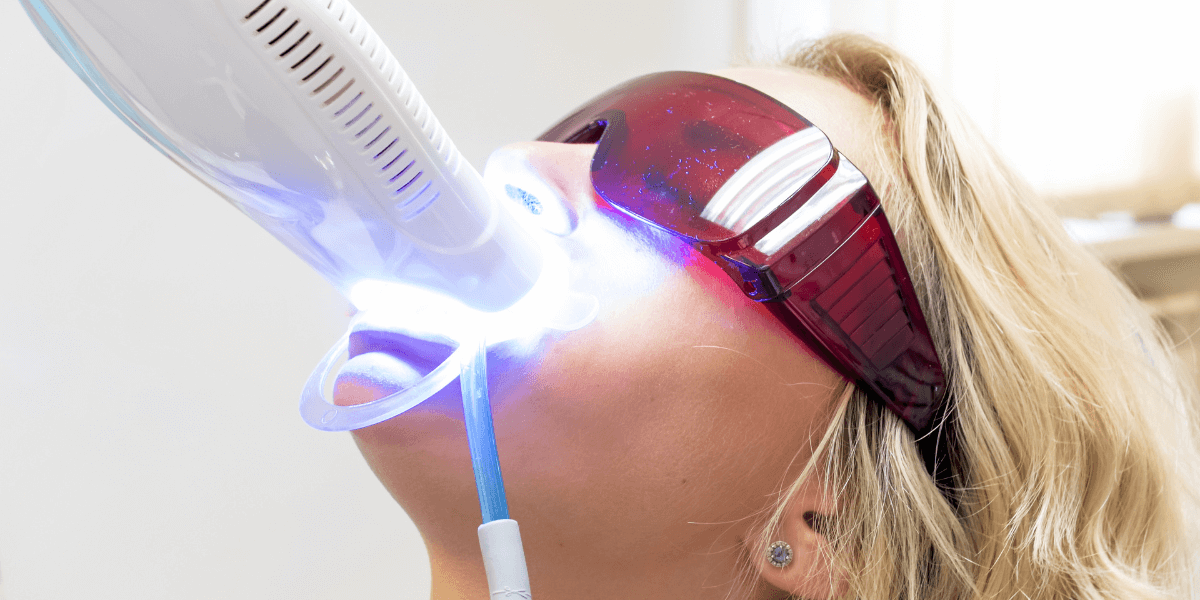
Types of in-office whitening treatments:
- A high concentration hydrogen peroxide gel applied by a syringe
- A hydrogen periodic gel combined with a high-intensity light. The light is applied by a lamp or laser like device that sits directly outside your mouth facing your teeth.
The Process:
- A dental professional will use a tooth shade chart to determine the current shade of your teeth. They will discuss with you how many shades lighter your smile may become after whitening.[1]
- A dental professional will then polish your teeth and remove any plaque and stains from your teeth. [1]
- A dental professional will use tools to keep your mouth open. To ensure the whitening agent doesn’t touch any fleshy parts of your mouth like your gums, cheeks or tongue, a barrier will be placed around all delicate areas[1]
- A dental professional will then apply the whitening agent to your teeth incrementally and might use light activation throughout the treatment.[1]
- Once the whitening process is complete, the barriers will be removed and your mouth is gently rinsed. A dental professional may apply fluoride or a desensitizing gel treatment, which will help mitigate any potential sensitivity you might experience.[1]
- A dental professional will discuss with you regarding if your teeth have reached your desired shade and will provide you with aftercare instructions. Following these instructions are key to allowing the whitening agents to sink into the pores of the teeth and prevent shade rebound. After whitening, your teeth are dehydrated. This makes them extra susceptible to liquid and food stains. Lifestyle habits you’ll need to practice for the next day include not eating brightly colored foods and resisting coffee and red wine.[1]
- Custom fit take-home bleach trays may be made as a follow up treatment, so that you can maintain your new bright smile at home and prevent future staining.[1]
Take-Home trays
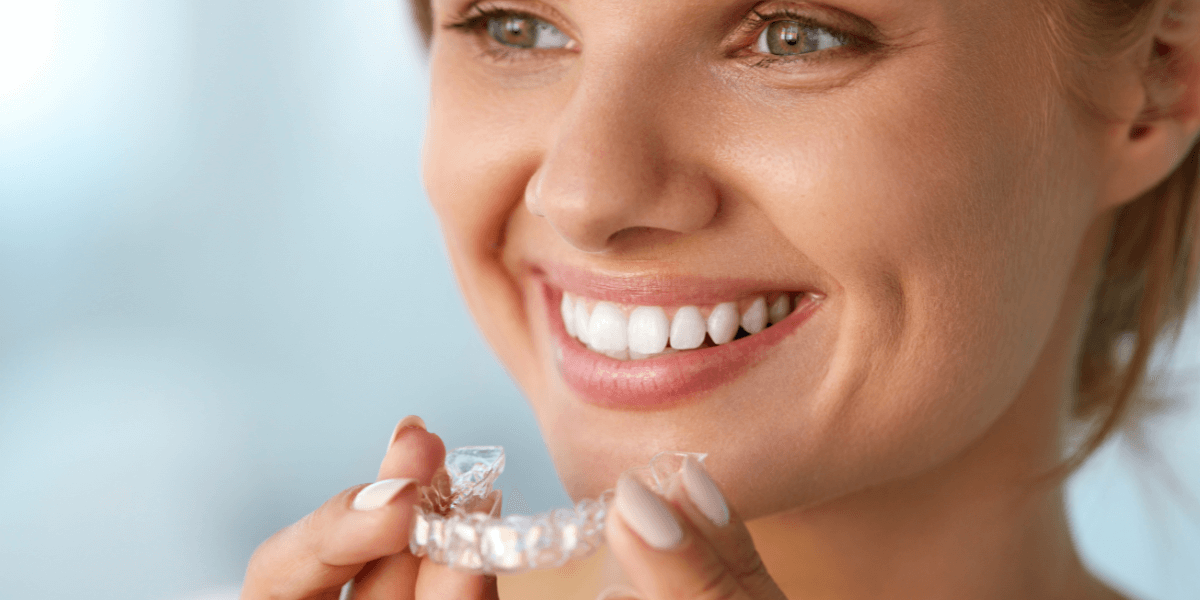
Professional in-office whitening deliver fast results whereas take home trays require more time whitening in order achieve the desired results.[2] These trays may also be used as a follow up treatment after in-office whitening to maintain the results, or the treatment that your dental professional distributes to you instead of in-office whitening.[2] You will receive whitening gel to use with the trays that will whiten your teeth.
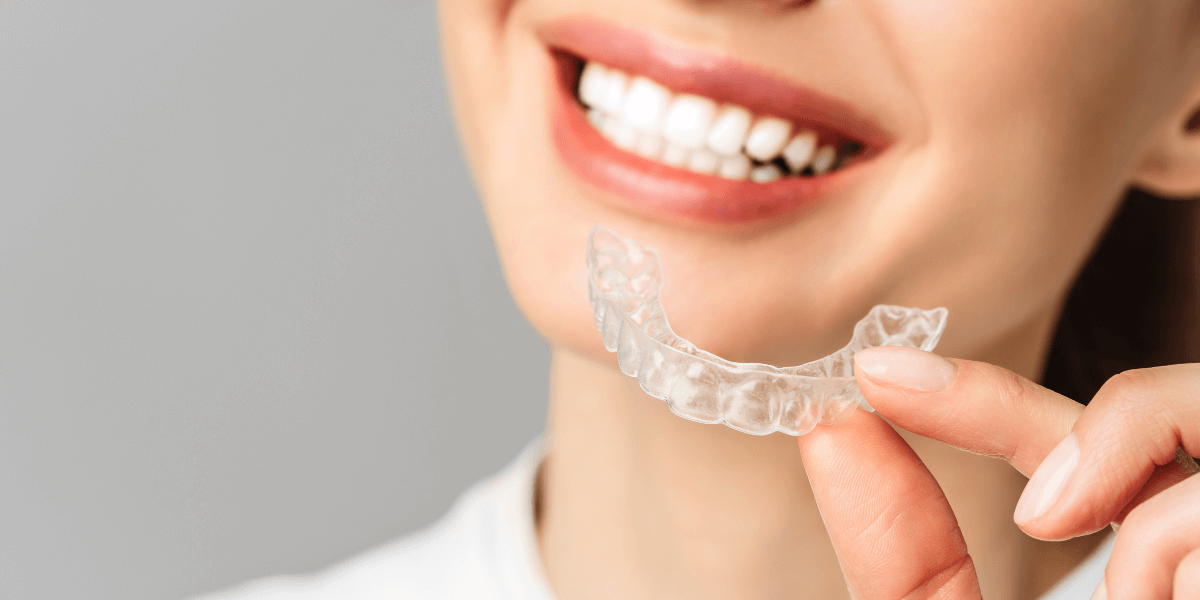
Cost:In-office professional whitening may range in costs from $800-$1000.(3) Custom take-home trays may often range in cost from $300 to $600.(3) Most dental insurance companies considered teeth whitening to be a cosmetic procedure and choose not to provide a benefit for it to the patient.[3]
Time: In-office whitening is usually completed in one or two appointments. Each session usually totals 60 to 90 minutes long and is done in increments of time[2] Custom fit trays can be worn to touch up the results after treatment. If the trays are being worn to whiten the teeth instead of doing in-office whitening, then the time period the wearer must wear the trays can be from a few days to a few weeks.
Longevity: Whitening treatments last longer when you follow a good oral care routine and avoid ingesting products that cause a lot of staining.[2] Foods and beverages that contribute to staining are coffee, red wine, and soda.[2] Using take-home trays can maintain the brightness and help to remove certain stains that can occur overtime.
Common Concerns:One common concern regarding whitening is tooth sensitivity. If you normally experience tooth sensitivity it is important that you relay that information to your dental professional. This will help them to determine which treatment and whitening gels will work best for you. To reduce the risk of sensitivity associated with tooth whitening, you may be provided with desensitizing gels or fluoride gels to use either alone or with custom fit trays prior to and after whitening treatments.[3] Prior to an in-office treatment you might be advised to use a nonsteroidal anti-inflammatory drugs to help reduce tooth sensitivity during the treatment.[3] Many locations such as salons, kiosks, and spas are now offering whitening services[4]The law varies regarding the legalities of non dental professionals administering the treatment.[4] The concern for many dental professionals is that the patient may be unaware of any cavities, gum inflammation, or exposed roots present in their mouths leading to sensitivity. The patient may also be unaware if the procedure is being done legally in a nondental establishment or not. It is strongly recommended that an individual that is interested in professional whitening services contact their dental office and have an examination so as to answer all possible questions and concerns.[4] We love to help our patients achieve a bright smile however we also want to help them have great results with the least number of side effects as possible.
- Professional Teeth Whitening: Everything You Need to Know. Willardsen, Joseph. (2022, June 27).https://www.forbes.com/health/body/professional-teeth-whitening-guide/
- Professional Teeth Whitening:Everything You Need to Know. Shinde, Emily. (2022, Jun 27). ://www.forbes.com/health/body/professional-teeth-whitening-guide/
- ADA. Whitening.://www.ada.org/resources/research/science-and-research-institute/oral-health-topics/whitening
- Unregulated teeth whitening dangers. (2012, March 21). https://www.dentalproductsreport.com/view/unregulated-teeth-whitening-dangers
RELATED ARTICLES