
Teeth Whitening
Knowledge Center

A crash course education before you invest in your smile.

Teeth whitening by its name is misleading because “whitening”
products are merely removing stains and restoring the tooth to
its natural color.
No two people have identical shades of white. In
fact, most teeth have an off white or slightly yellowish hue to their
coloring. Whatever the natural color of the tooth is will be the end
result after all stains have been removed.

How it works:

The process of whitening teeth
works by applying a bleaching
agent that penetrates the tooth
enamel
and oxidizes the colored
staining molecules (chromogens)
on the tooth intrinsically and
extrinsically. With repeated use,
stains are lifted and the natural
color of the teeth is revealed.
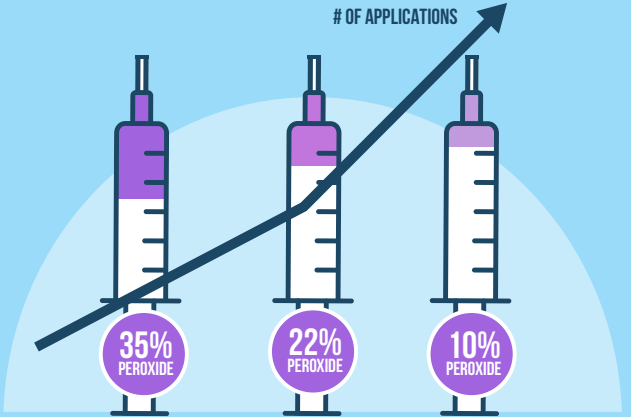

# OF APPLICATIONS

Applications needed vary
based on severity of stains,
types of stains, active
ingredient, and concentration
of peroxide.
The higher the
concentration of peroxide in the gel
the fewer the applications needed

Expectations

The final result will be the
stain free natural color of the
tooth.
Not all teeth are colored
equally. The natural color of teeth is
that of the dentin which is a hard
bone like tissue that is generally
yellowish-white.

Active ingredient

Most whitening products use either hydrogen
peroxide or carbamide peroxide,
which breaks
down into water and oxygen, with the oxygen molecules
actively targeting and breaking down stain molecules.
Concentrations of both HP and CP vary from 5% to 35%.
The higher the concentration the few number of
applications needed to remove all stains however both
tooth sensitivity and gum irritation will be greater.

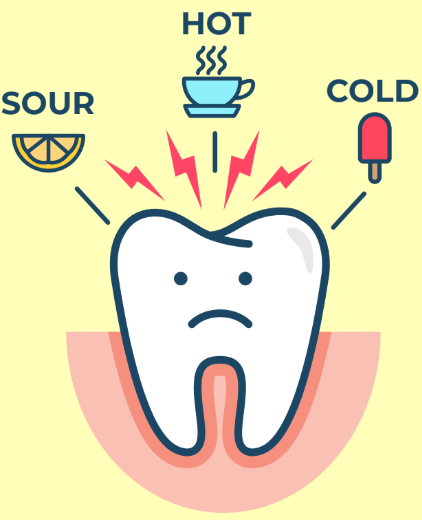
TOOTH sensitivity

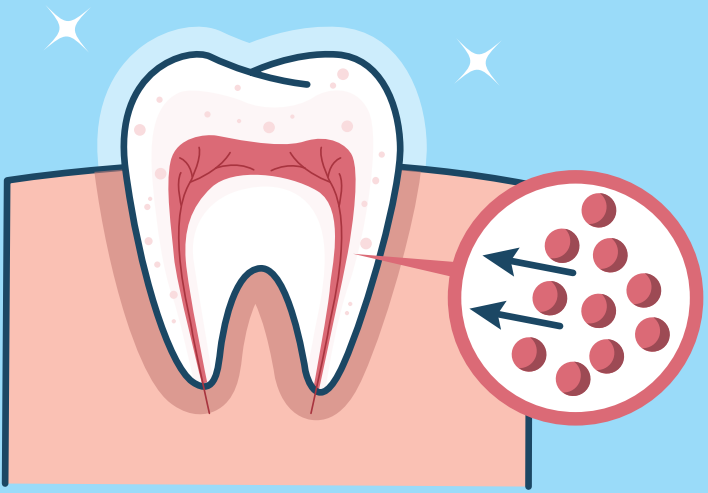
Teeth whitening uses active
ingredients to open the
microscopic pores of the tooth's
enamel, allowing stains to be lifted
over time.
The bleaching process
causes temporary tooth dehydration
which can constrict the teeth and
cause pressure on the nerve. For
most its mild but for some it can be
more intense. To reduce or prevent
tooth sensitivity all together utilize
the remedies below.

Solutions to tooth sensitivity:

Shorter whitening sessions - A normal whitening session
lasts around 1.5 hours. If you are unsure of your sensitivity
level, start with 45 minutes and progress upward

Fewer whitening sessions - Without sensitivity, a person can
whiten every day until they reach their desired results. For
sensitive teeth, try whitening every other day or every 2 days.

Remineralization Gel - For optimal stain prevention and
reduction in sensitivity, use a post-whitening desensitizing gel.

Types of
whitening methods:

When shopping for your next teeth whitening system know that
so long as the whitening agent is fresh and active
and can hold to
the entire surface of the tooth long enough it will remove all extrinsic stains
and some intrinsic stains it comes in contact with after repeated use. With
that being said you’re shopping for both fresh whitening gel and a device
that will ensure the gel holds to the tooth without interruption.

In-Office Whitening

  • Best results in shortest time
  • often not suitable for sensitive teeth
  • requires custom-fitted whitening trays
    after treatment for maintenance
  • Cost: $500 $1000+

Custom Fitted Trays

  • Best for long-term results
  • Does not require regular dentist visits
  • $250 - $1000+ at dentist (around $150 at
    Smile Brilliant)
  • Annual maintenance cost between
    $10 - $30 with Smile Brilliant

Whitening Strips

  • Moderate results from home
  • Not suitable for individuals with sensitive teeth
  • Not suitable for crooked or misaligned teeth
  • Cost: $50+ (maintenance $50+)

Whitening Pen

  • Not effective without whitening trays
  • Best gel for traveling
  • Cost: $25+

LED Light

  • Not a true UV lamp (does not work like
    in-office laser teeth whitening)
  • Does not improve or enhance the
    efficacy of whitening gel
  • Messy and inconvenient (not easy to use
    for prolonged periods of time
  • Cost: $50 - $200+

Boil & Bite Trays + Gel

  • Not recommended
  • Bulky, loose fit, fills with saliva
  • $20-$100

Types of tooth stains

The most effective form of treatment varies based on the type of
tooth stains the individual has.

Extrinsic Tooth Stains

Occur on the outer surface of the tooth
(enamel) and are caused by external factors
like food, beverages and tobacco

Treatment: At home whitening systems

Intrinsic tooth stains

Develop within the tooth structure (dentin) and can
be caused by genetics, medications, trauma and
long term exposure to extrinsic staining factors left
un-treated

Treatment:it's a case by case basis. In some
instances at home whitening will help but the best
route is in-office whitening initially, followed by an at
home system for maintenance.

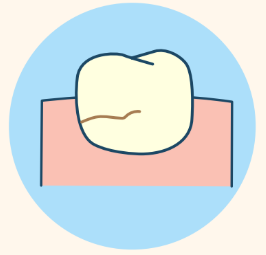
Single dark tooth

The result of trauma to the tooth, the effect of a
medication, or dental work.

Treatment for staining due to trauma or
medication
- the dentist will need to inject
bleach into the tooth.

Treatment for dental work discoloration -
dental work is not porous therefore it does not
stain. What your seeing is the natural teeth are
either free of all stains or stained darker than
the dental work.

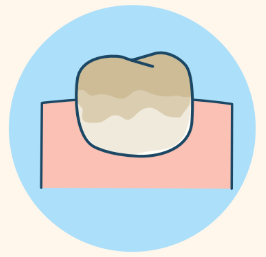
Tetracycline Stains

Tetracycline’s are a group of varying antibiotics
used to treat common bacterial infections.
If
tetracycline is taken by the mother during
pregnancy from the second trimester onward or
if the child takes tetracycline from birth through
age 12 it can cause permanent tooth staining.

Treatment: At home whitening may help but its
best to consult with your dentist

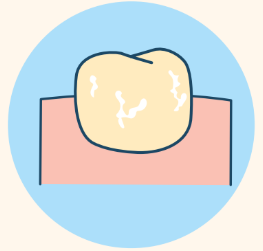
Dental Fluorosis

The result of consuming too much fluoride
while the teeth are still developing.
Fluoride has
been commonly added to the US water supply
and most toothpaste.

Treatment: At home whitening may help but its
best to consult with your dentist