

PERIODONTAL DISEASE
EARLY STAGE REVERSAL & LATE STAGE MANAGEMENT
Periodontal disease is a bacterial infection affecting the
tissues surrounding the teeth, including the gums and bone.
If left untreated, it can lead to gum inflammation, gum
recession, bone loss, and eventually loose or lost teeth.
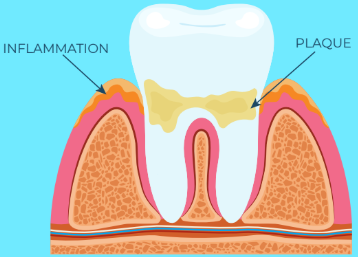
Stage 1: Gingivitis
Gingivitis is gum inflammation caused by
plaque buildup. It's the first stage of gum
disease and can be reversed, but it may
lead to periodontitis if left untreated.
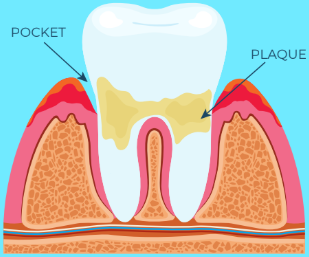
Stage 2: Early Periodontitis
When the gum inflammation spreads to
the jawbone resulting in the formation of
pockets between the teeth and gums it is
considered early periodontitis.
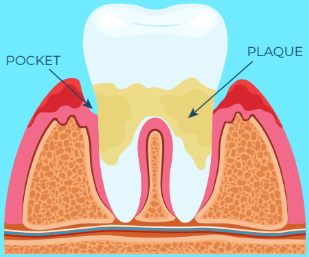
Stage 3: Moderate Periodontitis
As these gum pockets expand deeper,
bone loss increases and possible puss
formation occurs. This is known as
moderate periodontitis.
Advancement can be prevented
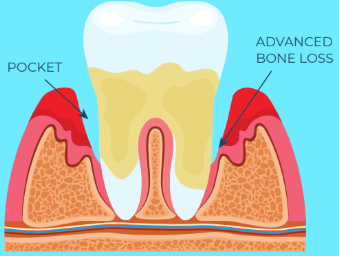
Stage 4: Advanced Periodontitis
When moderate periodontitis is left untreated,
the disease will progress into its advanced stage.
Signs of advanced periodontitis include severe
bone loss, tooth damage, loose teeth and both
partial and full tooth loss.
But can be managed
HOW PERIODONTAL
DISEASE FORMS
Over 700 species of both good and bacteria populate
in our mouths all day, every day.
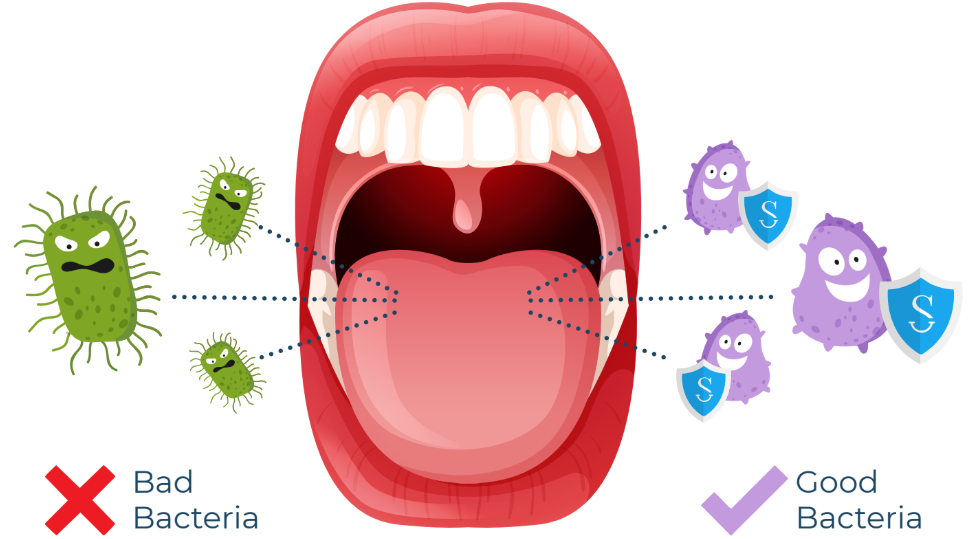
When the bad bacteria dominates the good bacteria, the oral
microbiome is less equipped to fight plaque buildup on the teeth
and infections in the mouth.
An imbalanced oral microbiome
coupled with poor brushing and flossing habits will result in tartar
(hardened plaque) formation. The chronic presence of plaque and
tartar on teeth will ultimately lead to periodontal disease.
FACTORS THAT LEAD TO & OR
WORSEN PERIODONTAL DISEASE
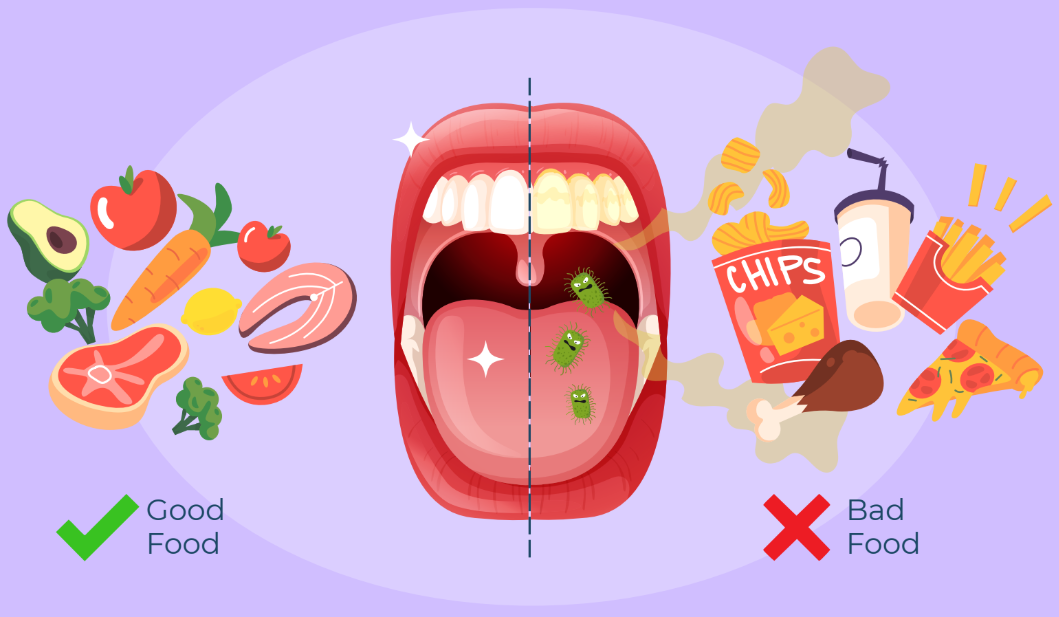
Diet
One's oral microbiome is reflective of their diet. Avoiding ultra
processed foods and only consuming raw (unprocessed) produce, nuts,
eggs, and lean meats will result in a healthy oral microbiome assuming
no other external factors such as medications are in play. Conversely,
diets high in ultra processed foods are a breeding ground for bad
bacteria. Over time, bacteria in the form of plaque and tartar will build
up on the teeth and if left untreated for extended periods of time,
periodontal disease will manifest.
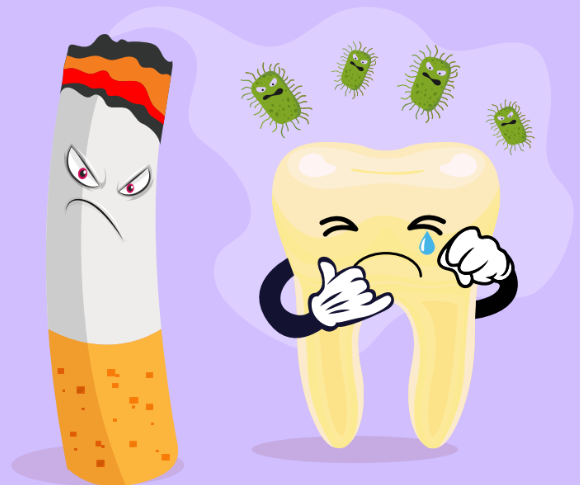
Tobacco Use
Like ulta-processed foods, both
smoking and chewing tobacco
laden in chemical additives
promote the development of
periodontal disease.
Side effects related to periodontal disease include:
- Reduces oxygen and nutrients to gum tissue
- Hinders the mouths ability to heal sores and infections
- Users are less responsive to treatments
- Promotes the growth of bad bacteria
- Gum recession
- Gum irritation and injury
- Tooth loss
Medications
Some medications used for
unrelated conditions can cause or
worsen periodontal disease.

Medications that can promote periodontal disease:
- Antidepressants, antihistamines, and anticholinergics can
cause painful gingivitis and inflammation of the mouth lining. - Blood pressure medications, antihypertensives, and
immunosuppressants can cause gingival overgrowth - Oral contraceptives can cause gingival inflammation
- Bisphosphonates and anti-platelet drugs can cause serious
side effects during dental procedures - Damages supporting tissues
- The force of grinding can damage the tissues that support your
teeth. This can lead to loose teeth and deep pockets where
bacteria can grow. - Makes gums more vulnerable
- The act of grinding and clenching can make gums more
sensitive and more likely to bleed when you brush or floss. - Accelerates gum disease
- Bruxism can speed up the progression of gum disease, leading
to more serious conditions like periodontitis
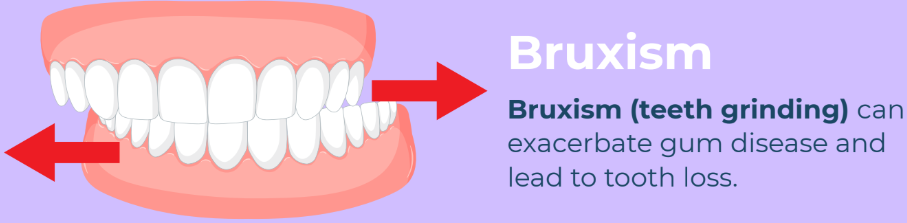
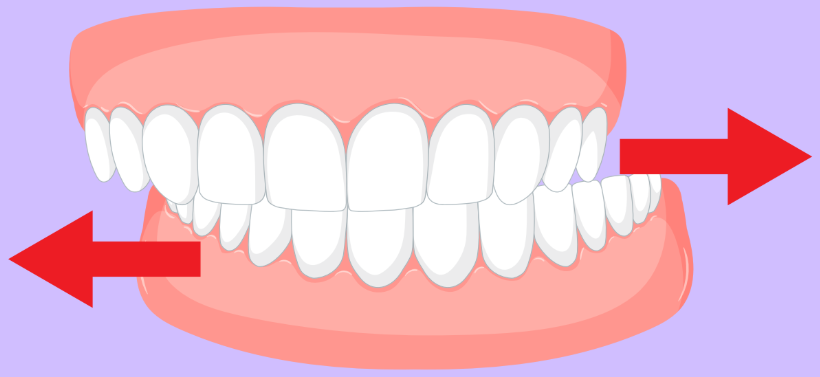
Bruxism
Bruxism (teeth grinding) can
exacerbate gum disease and
lead to tooth loss.
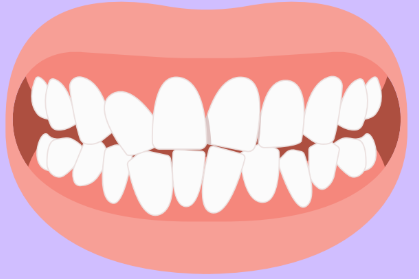
Crooked Teeth
Indirectly, crooked teeth can play
a role in the onset of periodontal
disease due the deep and difficult
to reach crevices of misaligned
teeth. Straightening of these
teeth is recommended.
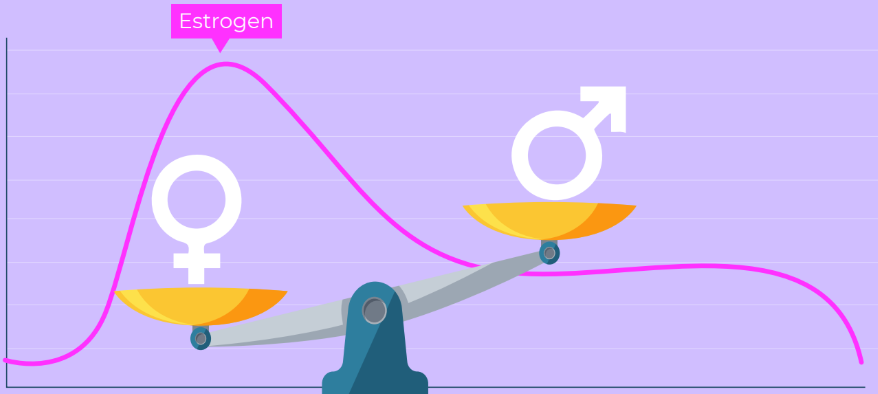
Hormonal Changes
The body produces over 50 different hormones, some of which are
inflammatory and others are anti-inflammatory. Both depression and
pregnancy increase production of inflammatory hormones.
Additionally, both pregnancy and depression stress all bodily systems,
weakening the body's response to external factors such as plaque
bacteria on the teeth.
Systemic Diseases
Certain medical conditions, such as
diabetes, HIV/AIDS, and
autoimmune disorders, can weaken
the immune system and contribute
to periodontal disease.

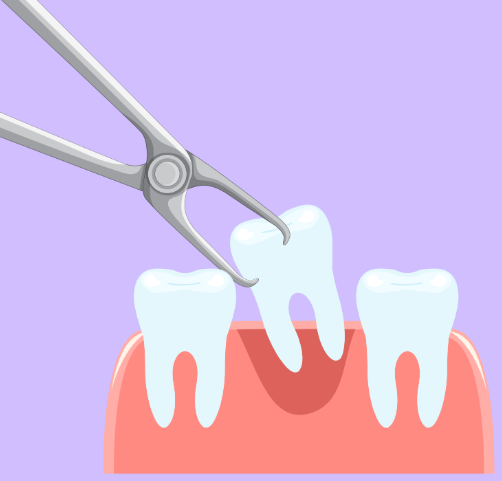
Dental
Procedures
Poorly performed dental
procedures, such as deep
cleanings or extractions, can
introduce bacteria into the gums
and increase the risk of infection.
Nutritional
Deficiencies
Lack of essential micronutrients,
such as the A, B, C, D vitamins can
weaken the immune system and
impair gum health.

PREVENTING
PERIODONTAL DISEASE
Diet Correction
Most cases of periodontal disease
are avoidable through dietary changes. Replace inflammatory
seed oils and processed foods with
produce, nuts, as well as lean
meats; by doing so, hormonal
fluctuations, systemic disease,
nutrient deficiencies, bruxism and
the need for medications will be
drastically reduced.

Oral Hygiene Habits
- Brush 2-3 times per day with an electric toothbrush.
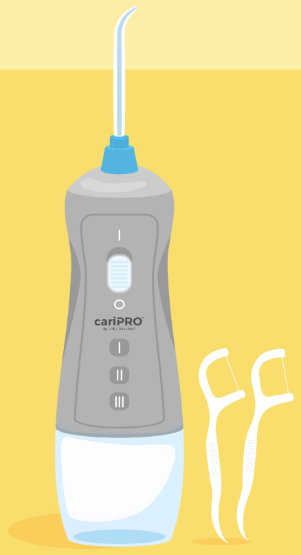
- Floss daily with both string and a water flosser.
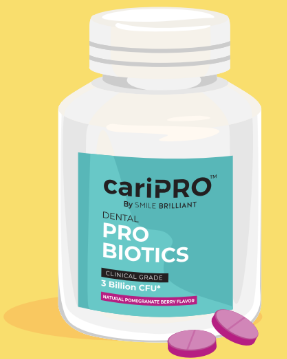
- Take a dental probiotic 1-2 times daily after you brush your teeth.
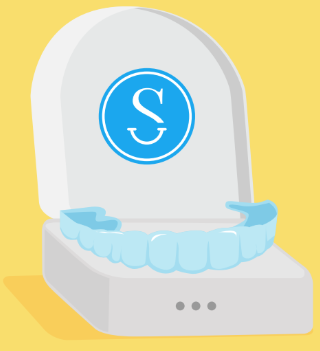
- Wear a night guard while you sleep and/or during the day if you
clench your jaw.

TREATING
PERIODONTAL DISEASE
Gingivitis (stage 1)
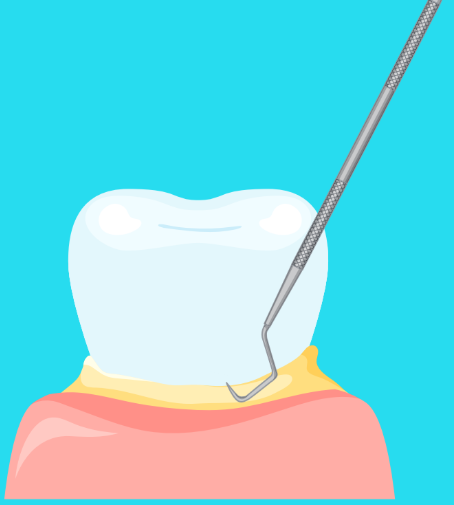
Dentists treat gingivitis by performing
a professional cleaning, also known as
"scaling and root planing," which
removes plaque and tartar buildup from
both the surface of your teeth and below
the gum line, effectively cleaning deep
into the gum pockets. They will also
educate you on proper oral hygiene
practices to maintain healthy gums at
home, and they may recommend an
antimicrobial mouthwash and/or dental
probiotic to further control bacteria
causing the inflammation.
FREQUENCY: EVERY 2-4 MONTHS BASED ON SEVERITY
DURATION: UNTIL CONDITION RESOLVES
Periodontitis (stages 2-4)
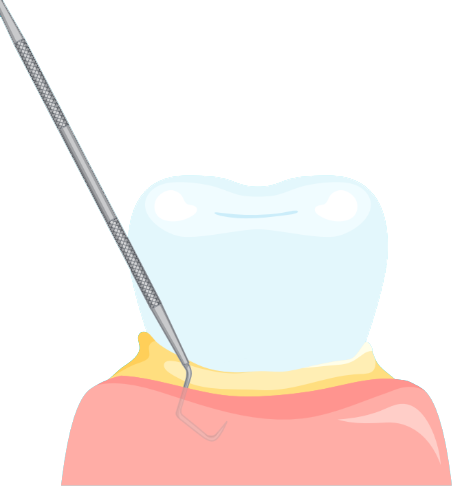
- Scaling and root planing: A deep
cleaning that removes plaque and tartar
from above and below the gum line - Antibiotics: A dentist may prescribe oral
or topical antibiotics to help fight the
infection - Surgery: Not all but some cases may
require various surgical procedures.
- Mouthwash: A dentist may prescribe an antimicrobial mouthwash
- Dental probiotic: Increasing the presence of good bacteria will help
reduce buildup of the bad bacteria. - Good oral hygiene: Brushing and flossing regularly can help control
the infection
FREQUENCY: EVERY 2-4 MONTHS BASED ON SEVERITY
DURATION: THOSE IN STAGE 2 WILL CONTINUE TREATMENTS UNTIL THE
CONDITION RESOLVES; HOWEVER THOSE IN STAGES 3 OR 4
WILL LIKELY NEED TREATMENTS FOR LIFE.