
Navigating
Bruxism
What is Bruxism?
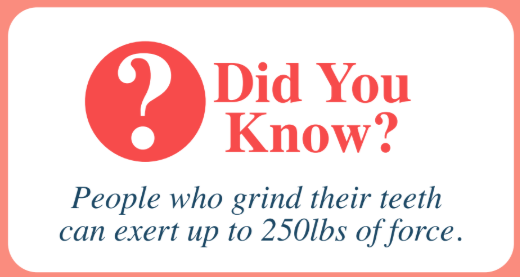
Bruxism is a condition where someone grinds, clenches,
or gnashes their teeth.
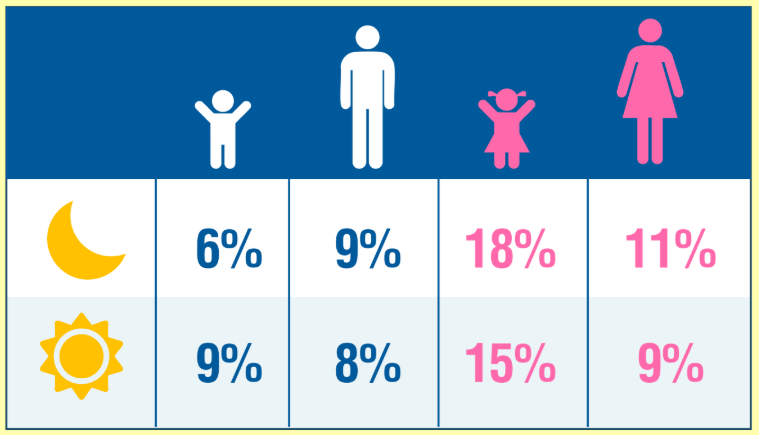
Recent research on this destructive condition suggests that 22% of the
global population suffers from either daytime or nighttime bruxism.
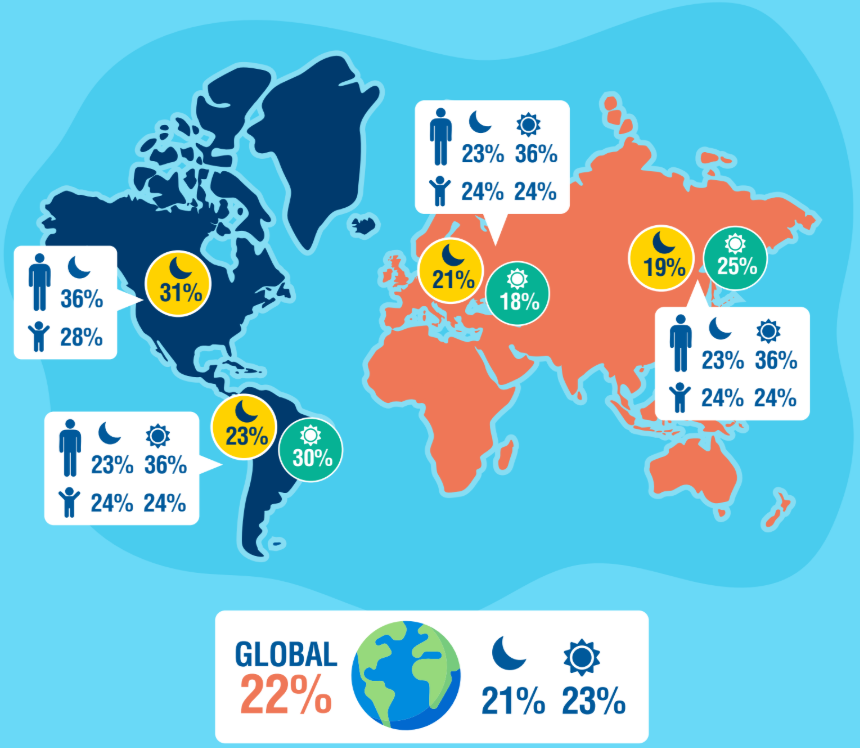
WHEN BROKEN DOWN BY GENDER, BRUXISM IS NEARLY TWICE AS
COMMON AMONG WOMEN COMPARED TO MEN.
Coincidentally (or maybe not) antidepressants are also used 2:1 by women
compared to men. A side effect of antidepressants is bruxism.
Signs of
Bruxism
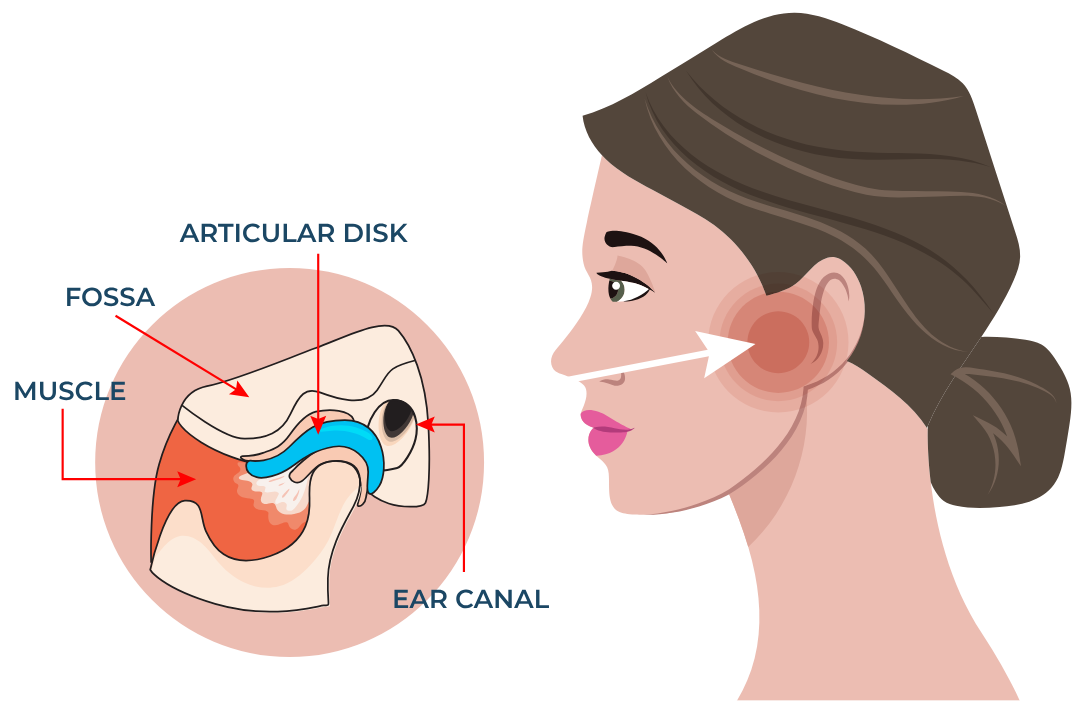
The most common symptoms of bruxism include Temporomandibular
joint (TMJ) discomfort which is sore or tight jaw muscles expressed with
clicking or popping sounds in the jaw and difficulty opening or closing the
mouth. The tightness is typically from the jaw muscle and the clicking or
popping is likely from the temporomandibular disc.
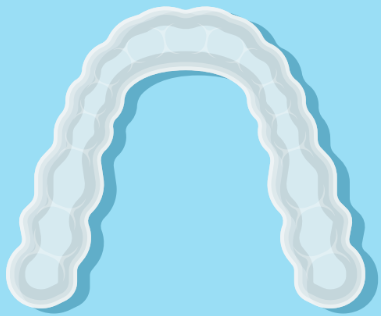
OCCLUSAL SPLINT
(Night Guard)
Prevents damage to teeth and
may reduce other TMJ discomforts.
Causes of Bruxism
No single factor is solely responsible for all reported cases but the
most common factors are listed below:
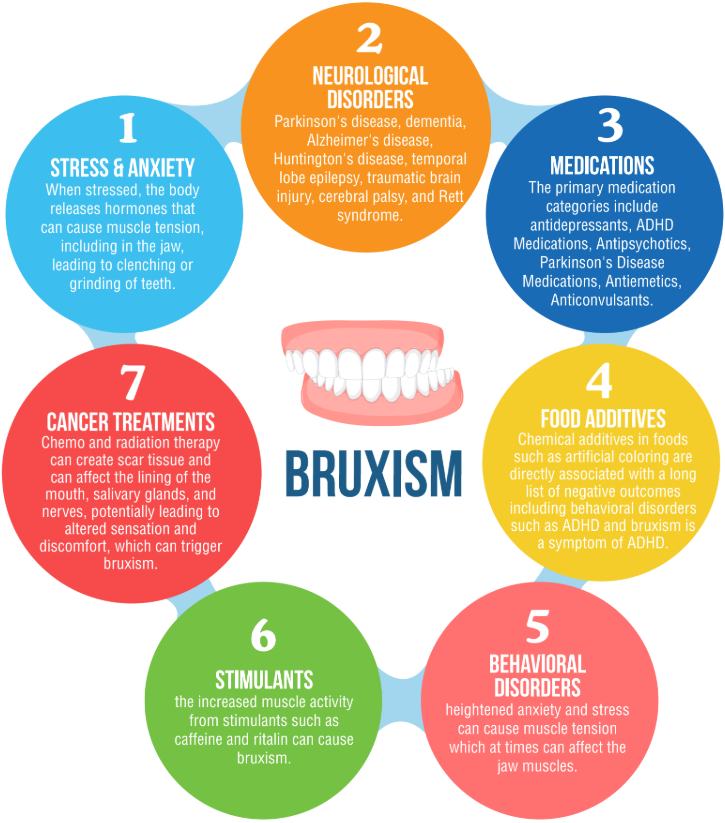
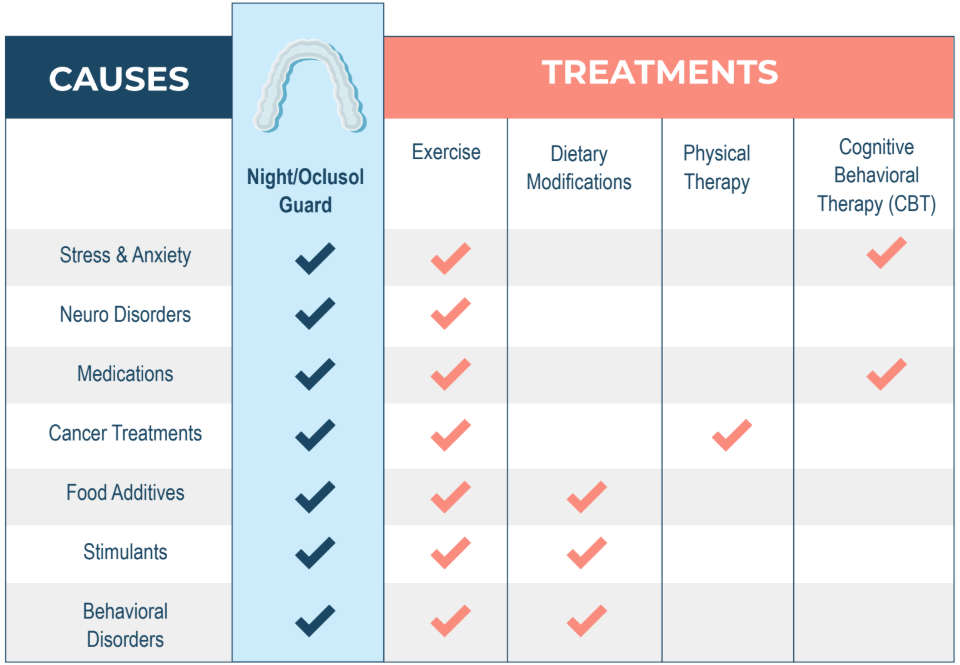
Stress & Anxiety
When stressed, the body releases hormones that can cause muscle tension, including in the jaw, leading to clenching or grinding of teeth.
Neurological disorders
Parkinson's disease, dementia, Alzheimer's disease, Huntington's disease, temporal lobe epilepsy, traumatic brain injury, cerebral palsy, and Rett syndrome.
Medications
The primary medication categories include antidepressants, ADHD Medications, Antipsychotics, Parkinson's Disease Medications, Antiemetics, Anticonvulsants.
Food additives
Chemical additives in foods such as artificial coloring are directly associated with a long list of negative outcomes including behavioral disorders such as ADHD and bruxism is a symptom of ADHD.
Behavioral Disorders
Heightened anxiety and stress can cause muscle tension which at times can affect the jaw muscles.
Stimulants
The increased muscle activity from stimulants such as caffeine and ritalin can cause bruxism.
Cancer Treatments
Chemo and radiation therapy can create scar tissue and can affect the lining of the mouth, salivary glands, and nerves, potentially leading to altered sensation and discomfort, which can trigger bruxism.
Diagnosing Bruxism
A dentist typically diagnoses bruxism by conducting a physical
exam, checking for signs of tooth wear and damage, and asking
about symptoms like jaw pain, headaches. Alternatively you may
be asked if a sleep partner has noticed teeth grinding sounds during
sleep. In some cases, a sleep study (polysomnography) may be
needed to definitively diagnose sleep bruxism.
Treating Bruxism
There’s no quick fix for bruxism and it will take time and discipline should one seek to resolve the root cause of the involuntary clinching of their jaw. If a resolution is sought, wearing an occlusal guard (custom night guard) in the interim while sleeping is highly recommended to help prevent irreversible damage to the teeth.
Treatment protocol varies based on what is believed to be the underlying cause(s) of the individual's bruxism.
Risks of not managing
or treating bruxism
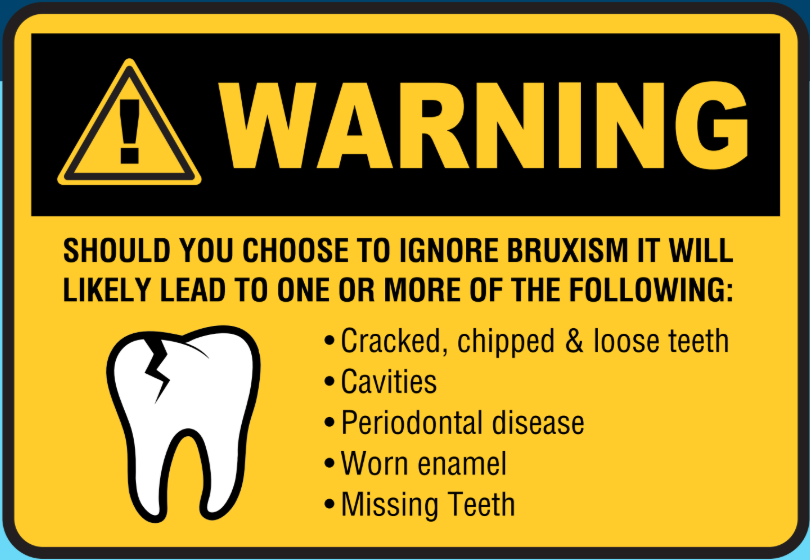
Should you choose to not wear an occlusal guard or not address the root cause(s) of your bruxism you will be at risk for a number of negative outcomes.
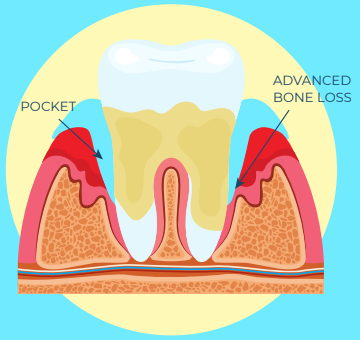
Damage to teeth and
onset of cavities &
periodontal disease
The excessive forces exerted on the
teeth and their supporting
structures from bruxism can lead to
periodontal disease.
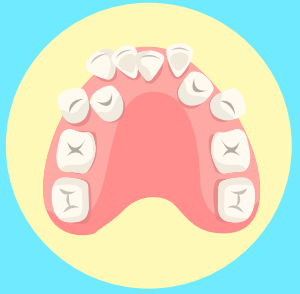
Tooth Misalignment Constant friction of your teeth gnashing together will ultimately lead to shifting. Crooked teeth can lead to periodontal disease.
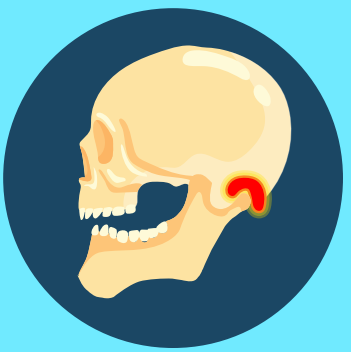
TMJ Disorders As a reminder, the temporomandibular joint is the connective tissue that holds the lower jaw to the skull. Chronic bruxism can lead to TMJ disorders which includes a misaligned jaw, jaw pain/discomfort, chronic facial pain and headaches.
Chronic Sleep Disturbances Extreme cases of bruxism can lead to sleep disturbances due to TMJ related issues or from the act of teeth grinding.