
STEP-BY-STEP

Beyond
the Brush:

The Complete Guide to Flossing

  • Risks when we fail to floss
  • Time & Frequency
  • String vs. water
  • Technique for both string and floss
WARNING

Failure to floss
is a failure to brush ≈
40% of the tooth

Consider flossing as brushing the areas the toothbrush fails reach.
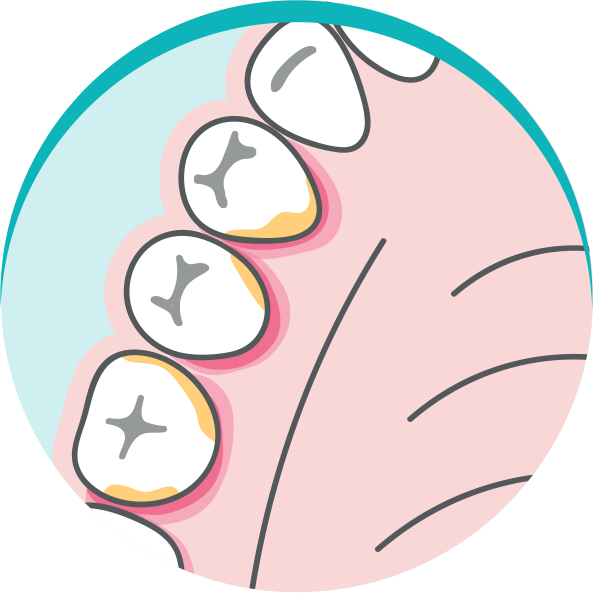
While your toothbrush tackles the visible surfaces of
your teeth, flossing dives into the tight spaces
between them, where up to 40% of plaque hides.
This sticky bacterial film, if left unchecked, hardens
into tartar, which over time leads to cavities between
teeth.

Cavities form when plaque acids erode enamel in those hidden spots, while gum disease starts as
gingivitis (inflamed, bleeding gums) and can progress to periodontitis, causing tooth loss and linking to
heart issues or diabetes. The American Dental Association (ADA) emphasizes that daily flossing removes
interdental plaque, reducing these risks significantly. In this guide, we'll cover techniques for both string
and water flossing—each has unique strengths and weaknesses, so incorporating both maximizes
protection.

Regular flossing can prevent up to 25% of all cavities.
TIME & FREQUENCY:

Make It a Daily Habit

The ADA recommends flossing once a day to keep plaque at bay before it hardens (which happens in 24-72 hours)
but if you want to be an oral care champion do it after each meal. If you opt for once a day, aim for evening sessions
to clear the day's buildup overnight, when saliva flow drops and bacteria multiply. If food gets stuck midday, floss then
too—but consistency trumps perfection. Floss before brushing to loosen debris for easier removal, though either
order works. Use fresh floss daily; don't reuse strands.

STRING VS. WATER

Use both: Begin with string & end with water

String Floss

Unique Benefits of string floss:

  • Effective in tight spaces
  • Loosens debris
  • Stimulates gums in crevices
Shop Now
Water Flosser

Unique Benefits of water flosser:

  • Flushes loosened debris from string
  • Flushes gum pockets
  • Complete gum stimulation
Shop Now
IMPORTANT: If you have gum disease or late stage periodontal disease a water flosser is essential for halting its progression as its the only means of cleaning the inflamed gum pockets at home.

STEP-BY-STEP:

STRING FLOSSING TECHNIQUE

cariPRO™ floss picks are an excellent alternative to traditional spool floss that can be a hassle at times.

1

Slide floss between teeth

Slide the floss pick slowly between teeth being careful not to hurt the gum.

2

Use up & down motion

Move the floss pick gently up and down to clean the adjacent teeth.

3

Clean up residue & discard

Use the other side of the floss pick to clean larger residue between the teeth.

STEP-BY-STEP:

WATER FLOSSING TECHNIQUE

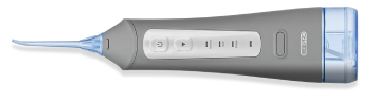
Water flossers such as our cariPRO™ use pulsating streams to blast away particles, flushing and
massaging gums for better circulation. They're gentler and reach deeper (up to 6mm below gums).

1

Position the tip

Lean over a sink, place the tip near (not touching) the gumline at a 90-degree angle to teeth. Close your mouth to avoid a mess.

2

Start wide, go deep

Slowly navigate all of the gumline and sweep back around to push water through tooth crevices where they adjoin.

3

Cleanup & Storage

Empty the reservoir and leave open for drying to prevent mold.

Final Thoughts

Flossing daily with both string and water methods arms you against the silent threats of gum
disease and hidden cavities
—overtime with regular practice your gums will bleed less and hold a
firmer grip on teeth. Pair it with at least twice-daily brushing, a low-sugar diet, and dental visits every
six months. If dexterity or pain is an issue, chat with your dentist for personalized tools. If you're
struggling to remain committed, remember one method is better than none!