
Whitening
Too Often?
A brighter smile is great, but skipping recovery time between sessions can strip essential minerals from your enamel faster than it can replace them.
 What Over-Whitening Really Does
- Signs You're Overdoing It
- Why Enamel Needs Recovery Time
- Remineralizing Between Rounds
Tooth sensitivity affects as many as 78% of people using peroxide-based whitening treatments, most often when sessions run back-to-back with no recovery time in between.
What Over-Whitening Actually Does to Your Enamel
Whitening gel doesn't strip enamel away. It works by letting peroxide diffuse through it to break up stain molecules underneath. To do that, it temporarily opens microscopic channels (dentin tubules) beneath the enamel surface. That's normal, and it's why a little zinginess during a whitening cycle isn't unusual.
The problem starts when there's no recovery window before the next session. Enamel needs time and minerals to reharden and reseal those channels. Whiten again before that happens, and the tubules stay open longer, sensitivity builds instead of fading, and the enamel surface can dehydrate enough to look temporarily chalky or uneven at the edges.
Open tubules don't just cause sensitivity. They're also more porous, which makes it easier for stain particles, bacteria, and everyday acids to work their way back into the tooth before the surface has resealed. That leaves freshly whitened teeth prone to restaining faster than expected, and gives decay-causing bacteria an easier foothold than they'd have on fully remineralized enamel.
Signs You're Whitening Too Frequently
A whitening system used as directed is safe for the vast majority of people. These are the signals that your enamel hasn't had time to catch up:
Watch for these four warning signs:
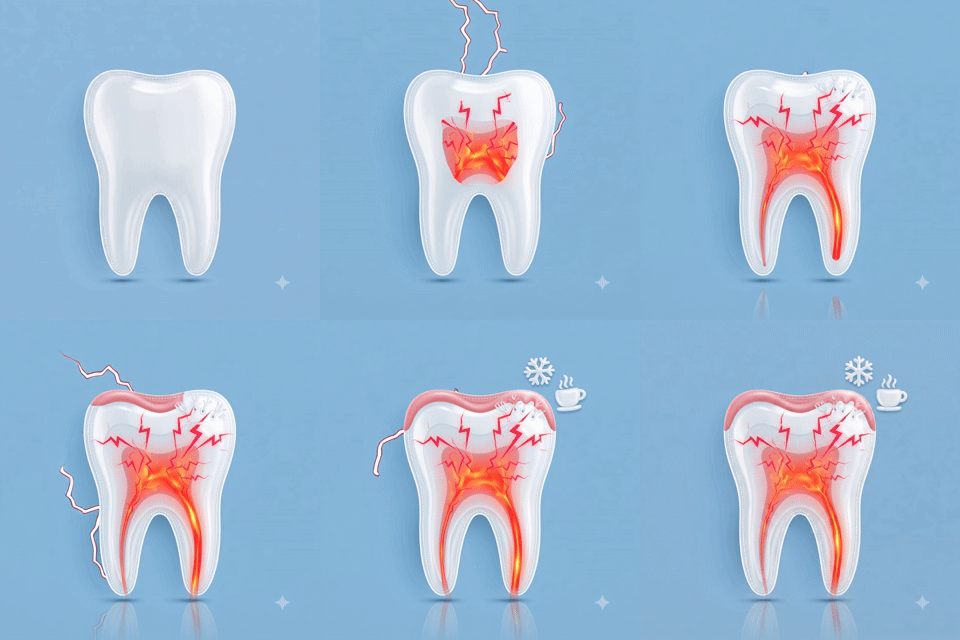
Rising Sensitivity
Zings or aches that used to fade quickly are now lingering, or showing up on teeth that were never sensitive before.
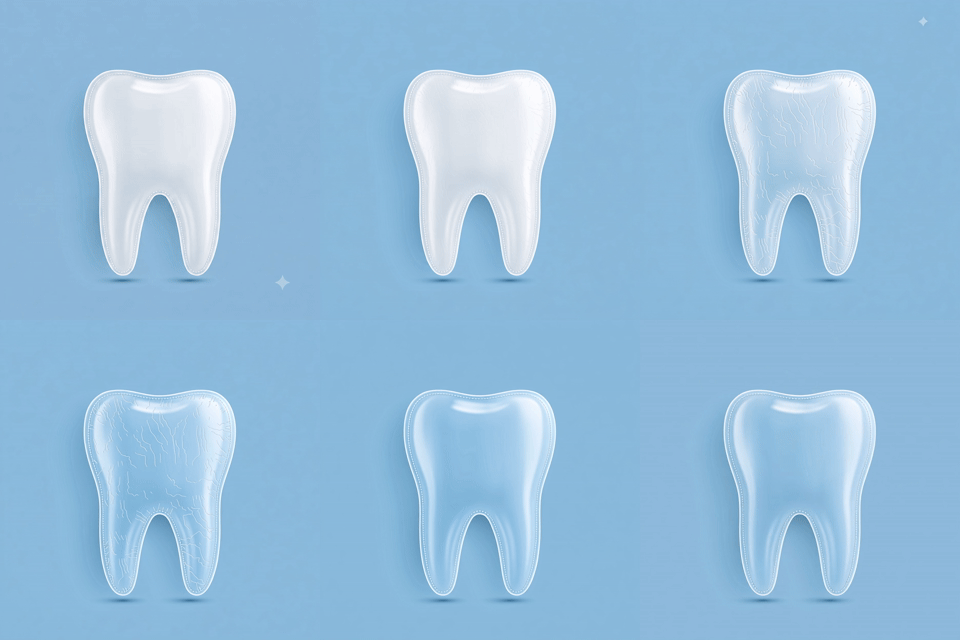
Translucent Edges
The biting edges of front teeth start looking glassy or slightly see-through, a sign the enamel there has thinned faster than it can remineralize.
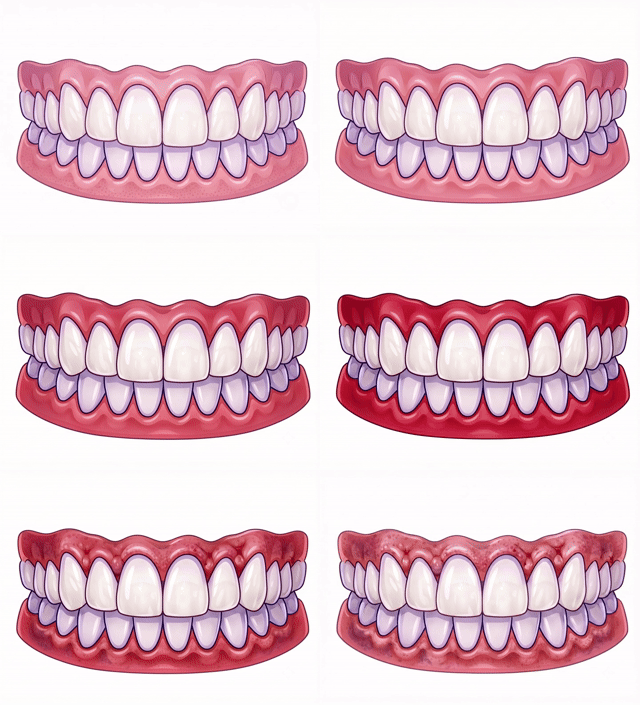
Gum & Tissue Irritation
White, tender patches along the gumline from gel exposure that isn't fully resolving between sessions.
Diminishing Returns
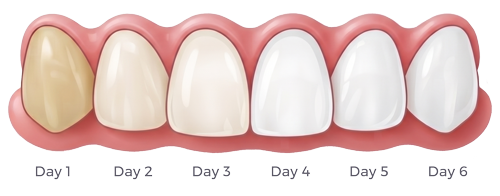
Shade stops improving no matter how often you whiten. You've reached your enamel's natural limit, and continuing only adds risk without adding brightness.
Why Recovery Time Matters More Than the Gel Itself
Saliva is constantly redepositing calcium and phosphate back into enamel, a natural process called remineralization. It's how enamel recovers from everyday acid exposure (coffee, citrus, soda) and how it reseals the tubules that whitening gel temporarily opens.
Give it a few days between whitening rounds and that process catches up on its own. Skip the gap, and you're asking enamel to handle a new round of peroxide before the last one has been repaired, which is exactly where sensitivity and surface dehydration start to compound.
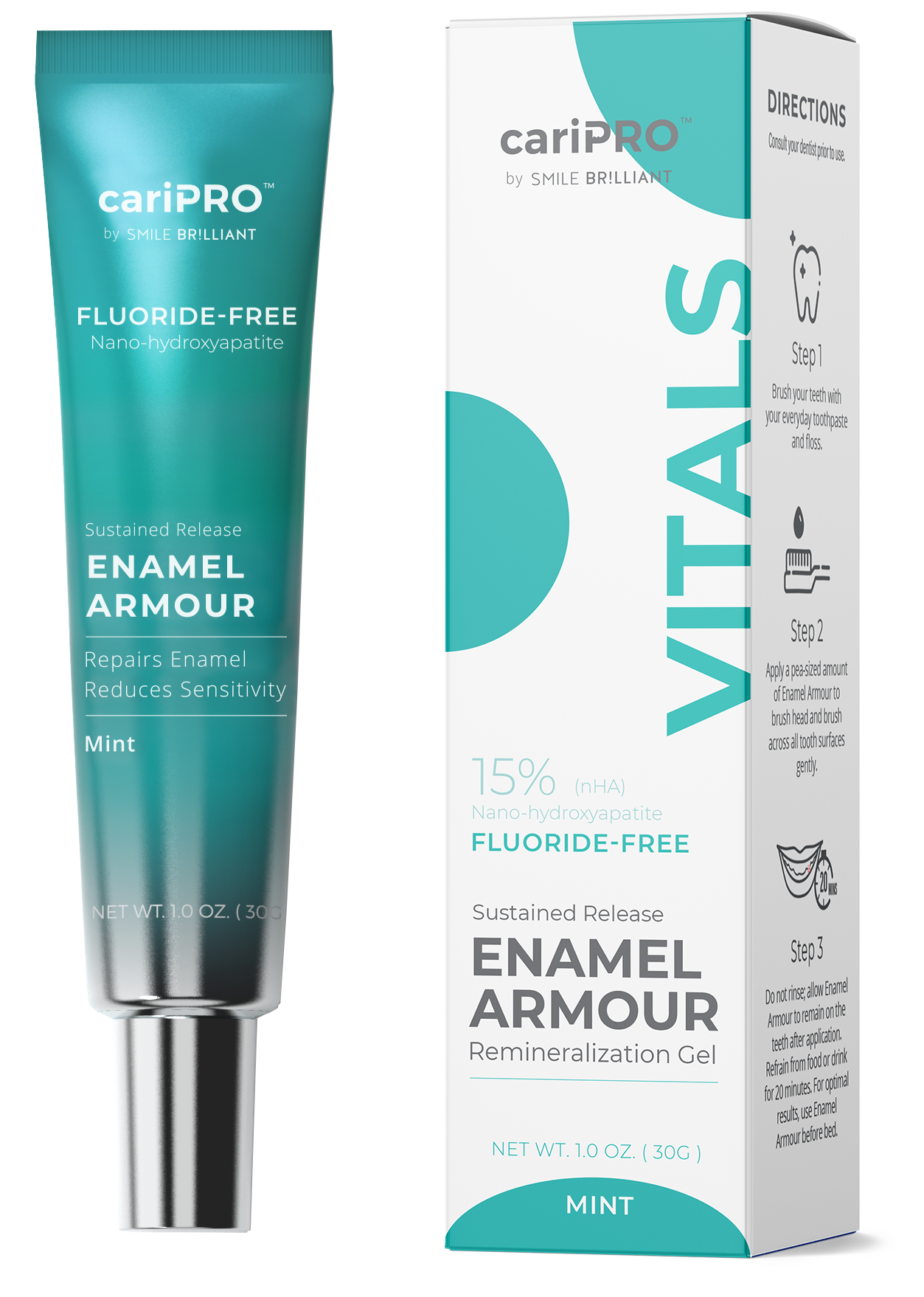
cariPRO™ Enamel Armour
Enamel Armour is built for exactly this gap: the days between whitening sessions when enamel needs help remineralizing. It's formulated to support natural enamel repair and calm sensitivity, and comes in two versions: a fluoride formula, or a fluoride-free option built around nano-hydroxyapatite for anyone who prefers to skip fluoride. Either way, working it into your routine between whitening rounds gives your enamel the head start it needs before the next session.
Shop Enamel Armour
Whitening Smarter, Not Harder
None of this means whitening is risky. It means pacing it. A few adjustments protect both your results and your enamel.
Most whitening systems are designed for daily or every-other-day use over a set cycle, then a break. If you're extending a cycle or starting a new one right after finishing the last, you're skipping the recovery window enamel needs.
If sensitivity shows up mid-cycle, that's your enamel telling you it needs a break, not a sign to switch to a stronger gel. Pause for a few days and let recovery catch up before continuing.
Working Enamel Armour into your routine between whitening rounds (fluoride or fluoride-free, whichever you prefer) helps enamel remineralize faster and keeps sensitivity in check before your next session.
Shop Enamel ArmourCoffee, wine, citrus, and other acidic or staining foods hit newly whitened enamel harder in the hours right after treatment, while those tubules are still settling. Give it a window before diving back in.
Whitening gel is formulated for a specific contact time. Leaving trays in longer, or using more gel than directed, doesn't speed up results. It just extends peroxide exposure on enamel that's already working to keep up.
Final Thoughts
Whitening isn't the problem. The pace is. Sensitivity, translucent edges, and gum irritation are almost always a recovery-time issue, not a reason to give up on whitening altogether. Spacing out sessions, watching for sensitivity, and remineralizing with Enamel Armour between rounds keeps enamel strong enough to handle the next cycle, and keeps your results looking bright without looking overdone.